Understanding Paint Protection Film
What is Paint Protection Film?
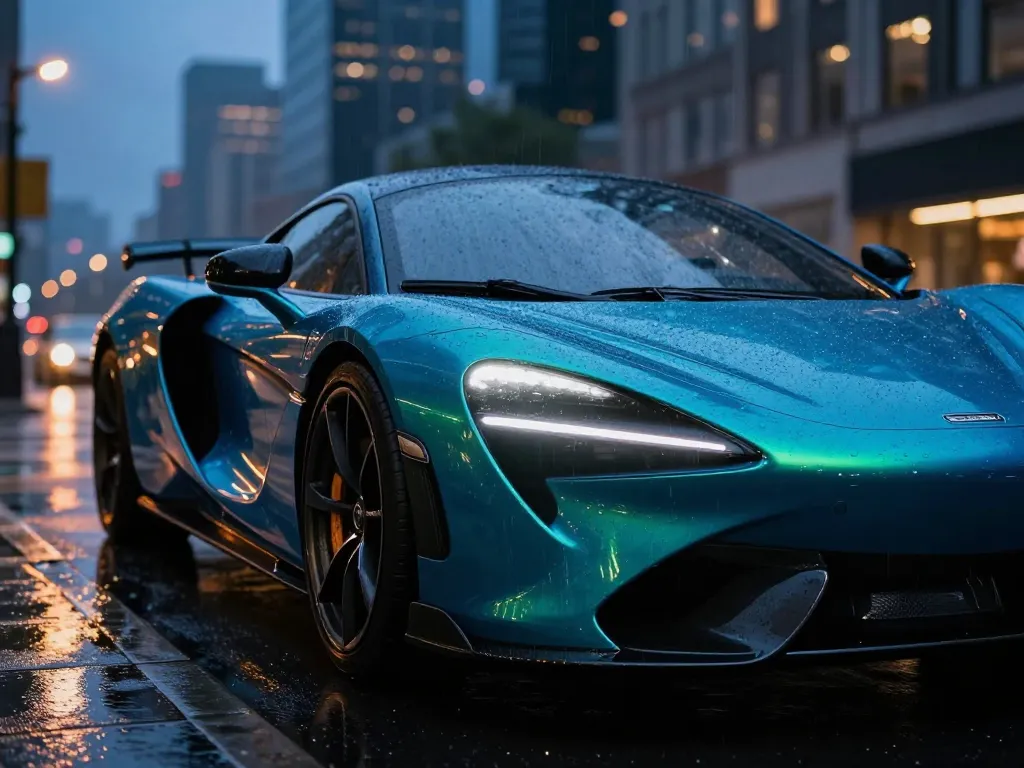
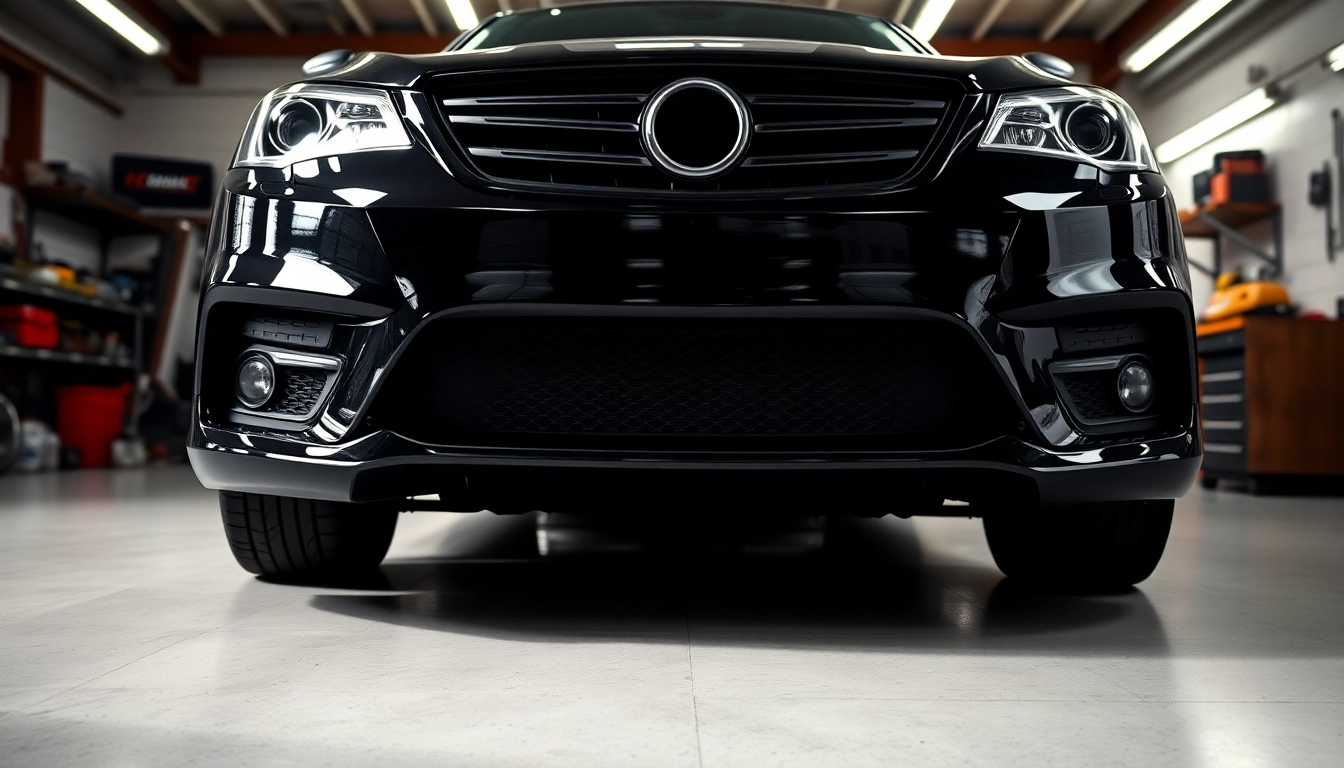
Paint Protection Film (PPF) is a transparent thermoplastic urethane film applied to the exterior surfaces of vehicles to protect the paint from chips, scratches, and contaminants. It acts as a barrier against road debris, UV rays, and environmental factors, ensuring that your vehicle maintains its aesthetic appeal and resale value. This innovative solution is ideal for car enthusiasts and anyone looking to preserve the appearance of their vehicle over time.
Benefits of Using Paint Protection Film
Investing in paint protection film offers numerous benefits that can extend beyond simple aesthetics. Here are some key advantages:
- Scratch Resistance: PPF is designed to absorb impacts from small stones and debris, preventing visible scratches on your vehicle's surface.
- UV Protection: The film protects against sun damage that can fade and dull your vehicle's paint, maintaining its vibrant colors.
- Self-Healing Properties: Many modern PPFs have self-healing capabilities, meaning minor scratches can disappear over time with heat application.
- Easy Maintenance: The film resists dirt and grime, making cleaning easier and enhancing the overall look of your vehicle.
- Value Retention: By protecting the paint, you can maintain the resale value of your vehicle, making it a wise investment.
Common Misconceptions
Despite its growing popularity, there are several misconceptions about paint protection film that can deter potential users. Here are a few:
- PPF is only for luxury vehicles: While premium cars benefit greatly from PPF, all vehicles can enjoy enhanced protection and aesthetic appeal.
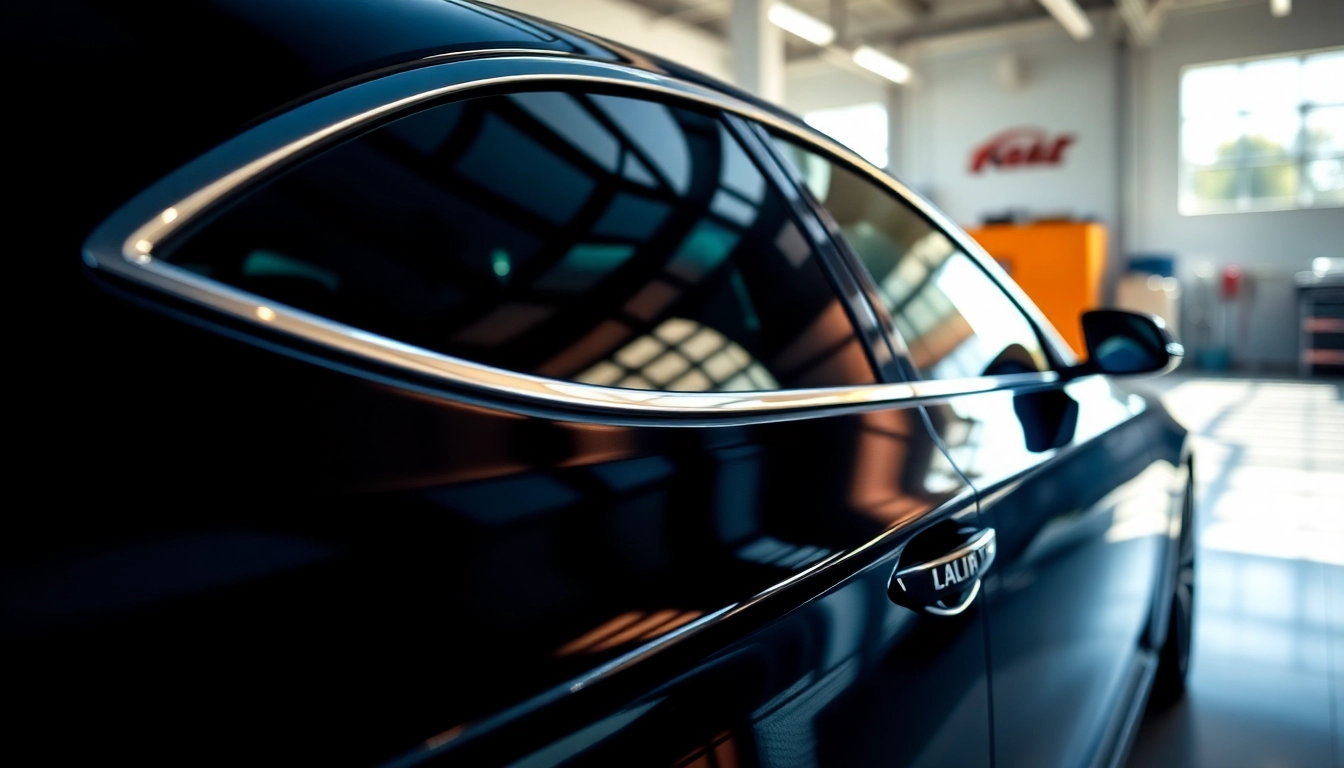
- It alters the paint color: Quality PPF is nearly invisible and should not change the appearance of your vehicle’s paint.
- PPF is too expensive: While there is an initial investment, the long-term benefits in terms of protection and resale value far outweigh the costs.
- Installation is easy and can be done at home: Professional installation is recommended to ensure optimal adhesion and protection without bubbles or wrinkles.
Choosing the Right Paint Protection Film Near Me
Factors to Consider
When searching for the right paint protection film, there are several factors to consider:
- Type of Film: Consider different types of PPF available, such as self-healing, matte, or glossy finishes.
- Durability: Look for films with warranties that indicate their lifespan and resistance to fading, yellowing, or cracking.
- Installation Expertise: Ensure that the installation team has experience and positive reviews to guarantee proper application.
- Warranty: A good warranty not only reflects the manufacturer’s trust in their product but also protects your investment.
Differences in Quality
Not all paint protection films are created equal. Quality can vary significantly based on materials, technology, and manufacturing processes. Here’s how to discern between them:
- Material Composition: High-quality PPF is often made from advanced polymeric materials that enhance flexibility and durability.
- Clarity and Thickness: Thicker films might provide better protection but can alter the appearance of the paint. Clear, thinner films often come with self-healing properties.
- Brand Reputation: Choose films from reputable brands known for quality and innovation in automotive protection.
How to Evaluate Options
Evaluating your options involves more than just a quick search for paint protection film near me. Consider these steps:
- Read Reviews: Customer feedback can offer insights into the effectiveness, durability, and service quality.
- Request Samples: Some providers allow you to see and feel the film before committing, which is worth exploring.
- Consult Professionals: Engage with installation experts who can provide personalized recommendations based on your vehicle's needs.
Installation Process of Paint Protection Film
Pre-Installation Preparation
Proper pre-installation preparation is essential for a successful application of paint protection film. Here’s what to do:
- Thorough Cleaning: Wash the vehicle thoroughly to remove any dirt, grease, or contaminants that could affect adhesion.
- Inspection: Examine the vehicle’s surface for imperfections, as any blemishes may become more visible once the film is applied.
- Environment Control: Ideally, installation should take place in a controlled environment to avoid dust and debris interfering with the process.
Steps in the Application
The application of paint protection film involves several detailed steps:
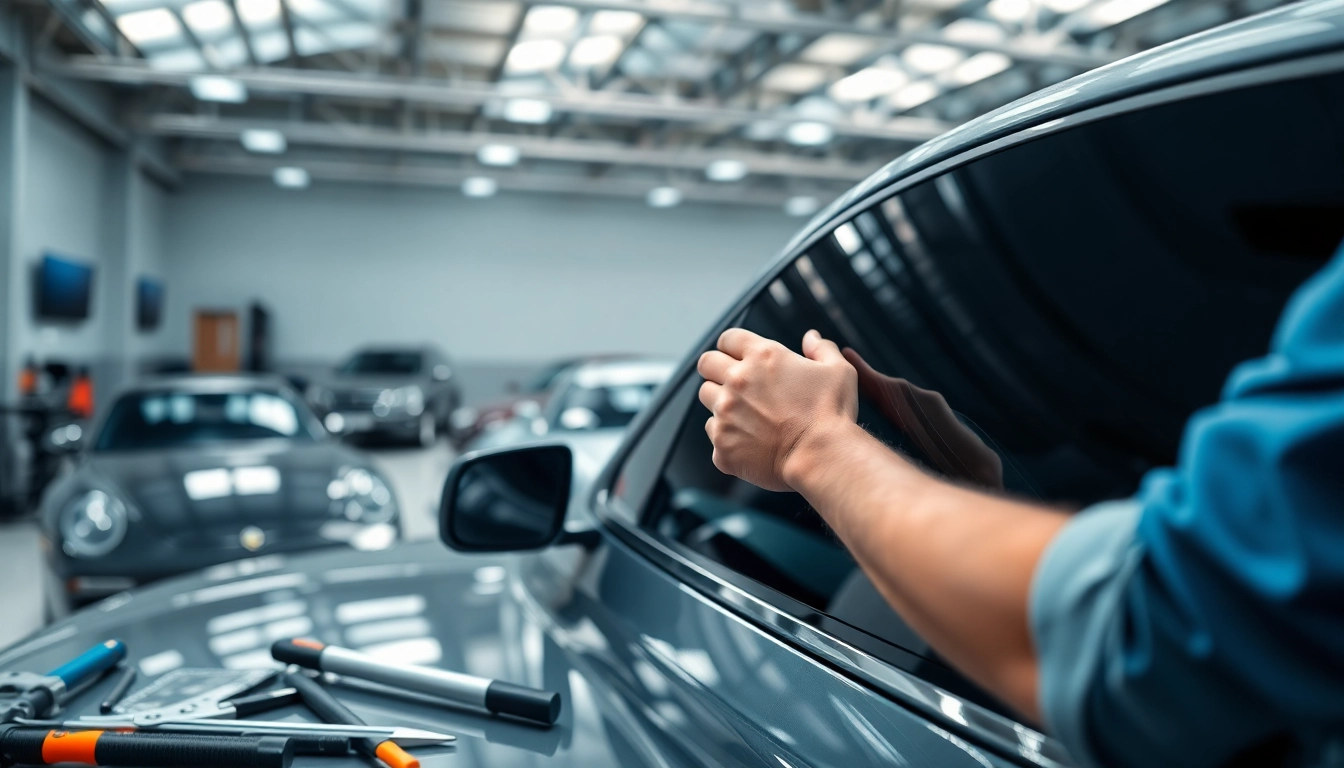
- Measure and Cut: The film is measured accurately and cut to fit the specific areas of the vehicle.
- Solution Application: A mixture of water and an adhesive promoter or slip solution is applied to allow for repositioning.
- Positioning: The film is carefully laid onto the vehicle surface, ensuring it aligns with edges and contours.
- Smoothing: Using a squeegee, the installer removes air bubbles and excess moisture, ensuring a secure bond.
- Heating: Heat is often applied to the film to enhance adhesion and facilitate the self-healing properties.
Post-Installation Care
Post-installation care is vital to prolong the life and effectiveness of your paint protection film. Follow these guidelines:
- Avoid Washing: Do not wash the vehicle for at least 48 hours to allow the adhesive to cure properly.
- Limit Exposure: Keep the vehicle out of direct sunlight and avoid exposure to harsh chemicals in the early days.
- Regular Inspections: Check for bubbles or lifting edges and consult professionals if any issues arise.
Maintaining Your Paint Protection Film
Cleaning and Maintenance Tips
To keep your paint protection film looking its best, follow these maintenance tips:
- Gentle Cleaning: Use a pH-neutral car wash soap with a soft sponge or cloth to clean the affected areas without scratching.
- Avoid Harsh Chemicals: Do not use waxes, polishes, or abrasive products on the film, as they can diminish its clarity.
- Drying: After washing, dry the vehicle using a microfiber towel to prevent water spots.
Identifying Damage
Identifying damage early ensures proper maintenance and prolongs the effectiveness of the film. Look for the following signs:
- Rough Texture: Feel for areas that have lost their smooth texture, indicating wear or damage.
- Discoloration: Notice any yellowing or fading that could indicate UV degradation.
- Peeled Edges: Check for lifting or curled film edges, which may need professional reattachment.
When to Replace
Knowing when to replace your paint protection film is crucial for ensuring continuous protection:
- Severe Scratches: If the film has deep scratches that can't heal, replacement is necessary.
- Discoloration: Significant yellowing or fading may require complete replacement to restore appearance.
- Structural Integrity: If the film exhibits signs of cracking or delamination, it is time for a replacement.
Frequently Asked Questions
How long does paint protection film last?
With proper care, paint protection film can last from 5 to 10 years, depending on the quality and maintenance.
Can paint protection film be removed?
Yes, paint protection film can be safely removed by professionals without damaging the vehicle's paint.
Is paint protection film worth the investment?
Yes, it protects against chips, scratches, and UV rays, ultimately preserving your vehicle's value.
Will paint protection film affect the color of my paint?
No, quality paint protection film is designed to be clear and will not alter the vehicle's color.
How do I find paint protection film near me?
Search online with your location appended to "paint protection film," or check local automotive care shops.