Understanding Window Tint Near Me
What is Window Tinting?
Window tinting is a process of applying a thin film or coating to the windows of vehicles and buildings. This film is made from various materials, including polyester and dyed or metalized layers, which serve different purposes, ranging from aesthetic enhancement to functional benefits. The primary goal of window tinting is to reduce glare, heat, and harmful UV rays. Installed correctly, window tint can significantly improve comfort and energy efficiency while adding a layer of privacy and security.
Benefits of Window Tinting
The benefits of window tinting extend well beyond mere aesthetics. One of the most significant advantages is heat reduction. With proper window films, a vehicle or building can maintain a cooler interior, reducing reliance on air conditioning and leading to energy savings. Additionally, window tint provides UV protection, blocking up to 99% of harmful rays that can cause skin damage and fade upholstery. Another notable benefit is increased privacy, as certain films limit visibility from the outside without sacrificing natural light. Lastly, window tinting enhances security by holding shattered glass together in the event of a breakage, reducing the risk of injury and theft.
Choosing the Right Tint Level
Selecting the right tint level can be pivotal in maximizing the benefits of window tinting. Tints are categorized by their Visible Light Transmission (VLT) percentage, which indicates how much light can pass through the film. Lower VLT percentages mean darker tints, which provide more privacy and UV protection but can also make visibility more difficult, especially at night. It's essential to evaluate personal preferences, local laws, and the specific benefits desired before making a decision. For example, if you're looking for a compelling aesthetic while maximizing UV protection, you might opt for a medium tint level that offers a reasonable compromise.
Finding Reliable Window Tint Services
Researching Local Options
Finding reliable window tint services begins with thorough research. Start by searching for “window tint near me” online to generate a list of local providers. This search should include their services, reputation, and expertise in specific types of window films. Look for any certifications or professional affiliations that can indicate a commitment to quality. Additionally, asking friends and family for recommendations can provide firsthand insights into which services deliver exceptional results.
Reading Customer Reviews
Customer reviews are an invaluable resource when assessing window tint services. Platforms like Google, Yelp, and social media can offer real experiences from customers who have previously used these services. Pay attention not just to the average ratings but also to the detailed feedback regarding the quality of work, customer service, and professionalism. Look for patterns in the reviews; multiple complaints about similar issues could be a red flag. Conversely, consistent praise can highlight a trustworthy provider.
Requesting Quotes and Comparisons
After narrowing down your options, reach out to potential tinting service providers to request quotes. Most professionals will be happy to provide estimates based on the specifics of your vehicle or building and the types of tint films available. When comparing quotes, consider factors such as upfront costs, warranty options, and the types of films used. Be wary of quotes that seem too low, as they may indicate a compromise in quality or service. Finding a balance between cost and the expected level of quality will lead to a satisfactory outcome.
Window Tinting Legal Regulations
Understanding Tinting Laws by State
Window tinting regulations vary significantly across different states and regions, dictating the permissible levels of tint on various windows. Understanding these laws is crucial to avoid fines and ensure compliance. Generally, front windshield tints have stricter regulations, often requiring that at least a certain percentage of light must be visible. Conversely, rear windows typically allow for darker tints. Before proceeding with installation, it’s advisable to consult state-specific guidelines or have the provider confirm that their techniques meet legal requirements.
Types of Legal Tints
Legal tints come in various categories, with some offering more privacy and others focusing on heat rejection. Common types include dyed film, which absorbs sunlight, and metalized film, which reflects it. Ceramic films are another popular choice, providing excellent heat rejection and UV protection without compromising visibility. Each type has different levels of VLT that must comply with local regulations, so it’s essential to discuss these options with your service provider to ensure you choose a legal and suitable film.
Consequences of Non-compliance
Failing to comply with window tinting laws can lead to several consequences. Law enforcement may issue fines or require the immediate removal of illegal window films. Repeated violations may result in higher fines and even points on your driving record. Additionally, non-compliant tints can void warranties on your vehicle or building's warranty clauses. Being aware of and adhering to the laws can save you from these potential inconveniences as well as enhance safety.
Installation Process of Window Tint
Step-by-step Application Guide
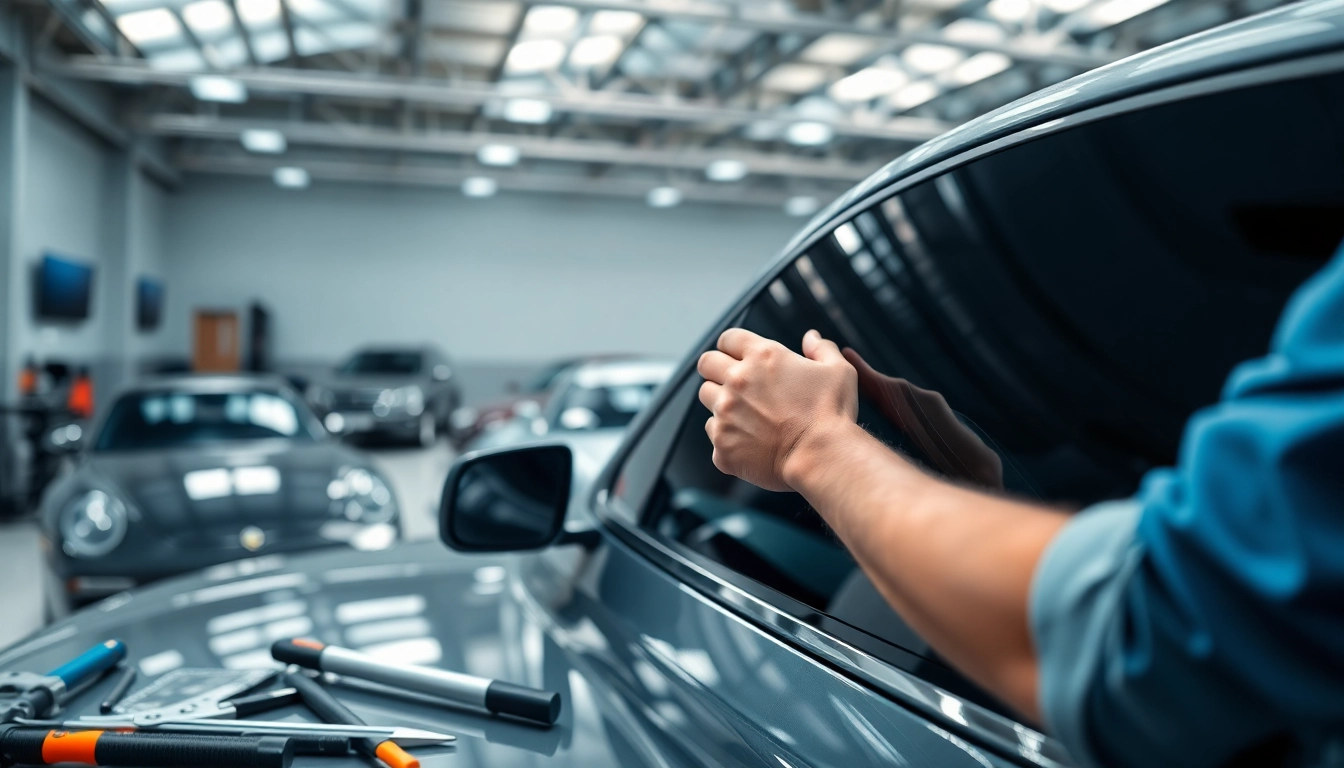
Installing window tint requires precision and attention to detail for desired outcomes. Here’s a general step-by-step guide:
- Cleaning the Windows: Start with a thorough cleaning of the windows to remove any dust, dirt, or residue. This ensures maximum adherence of the tint film.
- Measuring and Cutting: The tint film is measured and cut to the correct window dimensions, ensuring it fits perfectly without any gaps.
- Applying the Tint: The adhesive side of the film is activated with a solution and applied to the window. Smooth out any bubbles or wrinkles to ensure good contact.
- Final Touches: The edges of the film are trimmed and sealed for a polished finish, making sure nothing is left that could peel or lift.
- Drying Time: Allow the film to cure properly, following the manufacturer's guidelines for drying and not rolling down the windows for a specified duration.
Common Installation Challenges
While installing window tint appears straightforward, several challenges can arise. One common issue is air bubbles that form during application. These bubbles can be minimized with careful smoothing techniques and using a proper installation solution. Another challenge could be misalignment of the film, which requires re-cutting and repositioning. If a professional does not get involved, the limited experience in handling tools and materials might lead to uneven surfaces or peeling edges over time.
How to Care for Tinted Windows
Caring for tinted windows ensures longevity and performance. Refrain from rolling down the windows for the first 48 hours after installation to allow the adhesive to set correctly. When cleaning tinted windows, use a soft cloth or microfiber materials to avoid scratching. It’s best to use ammonia-free cleaning solutions that will not damage the tint film. Regular maintenance checks should include looking for bubbles or peeling edges that can be addressed promptly to prevent further issues.
Maximizing Benefits of Window Tint Near Me
Energy Efficiency and Cost Savings
One of the most compelling arguments for window tinting is its contribution to energy efficiency. By effectively blocking harmful UV rays and reducing heat buildup, tinted windows can lessen the load on HVAC systems, leading to lower utility bills. For homeowners, this translates to significant annual savings, while vehicle owners experience improved comfort during hot months. The ROI on window tinting becomes clear as the initial investment is often offset by ongoing energy savings.
Enhanced Privacy and Security
Privacy is a major concern for many vehicle and building owners. Tinted windows provide a superior solution, allowing occupants to enjoy their space without constant worry about prying eyes. This benefit is particularly valuable in densely populated urban areas. Simultaneously, the presence of window tint adds a layer of security, as opportunistic thieves are less likely to target a vehicle that conceals its contents. Durable tinted windows protect passengers and belongings, contributing to an overall sense of safety.
Choosing the Right Service Provider
The selection of the right service provider can significantly impact the entire window tinting experience. Look for professionals who specialize in window tint and have a proven track record with customer satisfaction. Request to see portfolios or previously completed projects to gauge their skill level. The best providers will guide you through the selection process, educate you on different film types, and be transparent with pricing and warranties. It’s also crucial to ensure they comply with local regulations and use high-quality materials to guarantee durability and performance.
FAQs
What is the average cost of window tinting?
The average cost varies by location and vehicle type but generally ranges from $200 to $600 for most cars, with larger vehicles costing more due to additional windows.
How long does window tinting last?
High-quality window tint can last anywhere from 5 to 10 years, depending on maintenance, exposure to sunlight, and the installation quality.
Can I install window tint myself?
While DIY kits are available, professional installation is recommended for best results, as it reduces the risk of bubbles, misalignment, and premature peeling.
Is it legal to tint windshield windows?
Laws about tinting windshields vary widely by state; typically, a clear tint or a light shade is permitted on the front windshield, but it's best to check local regulations.
Can window tinting reduce glare?
Yes! Tinted windows significantly reduce glare, enhancing driving comfort and safety, particularly in bright sunlight or reflective environments.