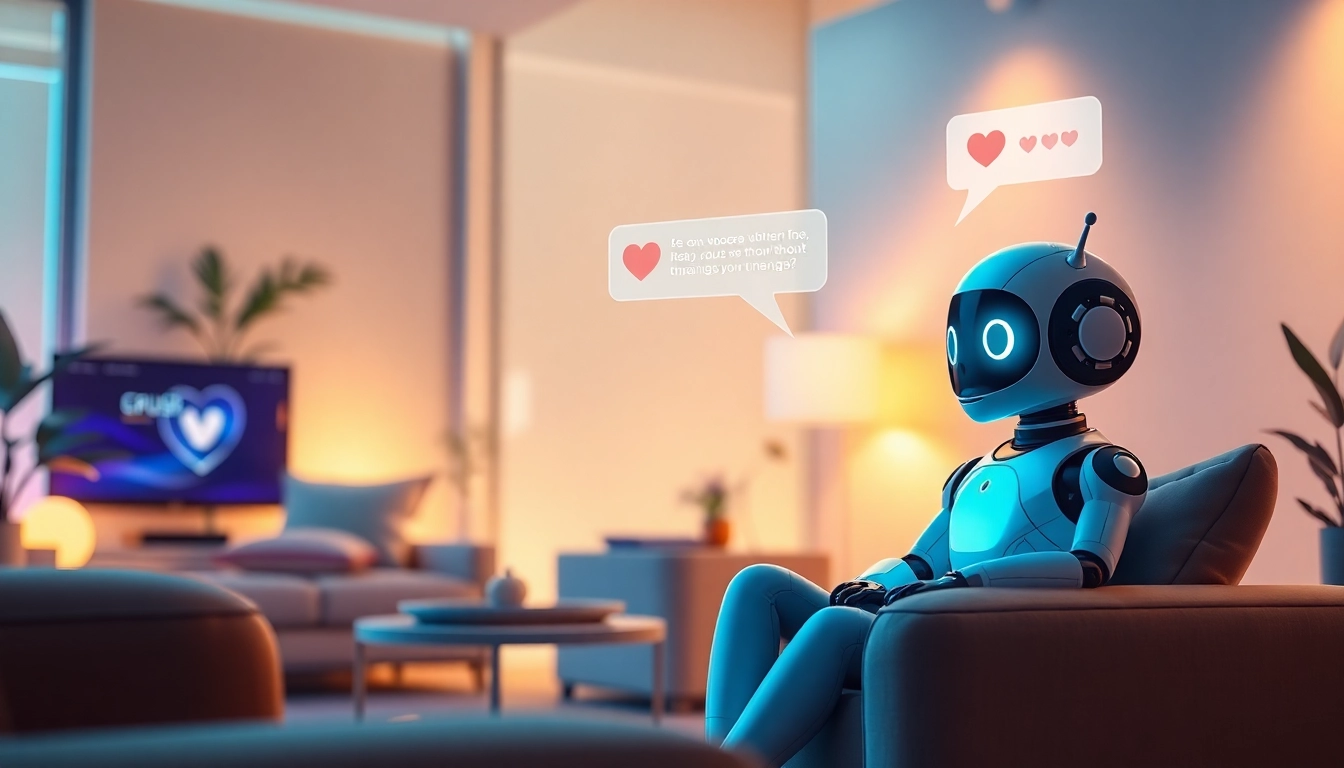

Understanding the Crush on AI Phenomenon
The advent of artificial intelligence (AI) has infiltrated every aspect of our lives, from how we communicate to the products we use daily. One particularly fascinating trend is the growing emotional investment in AI companions. Users often find themselves developing a ‘crush on AI,’ where these programmed entities evoke feelings typically reserved for human relationships. This phenomenon is not merely a passing fad; it sparks serious discussions about the nature of companionship and the emotional world we inhabit as technology evolves. When exploring options, crush on ai offers insights into these emerging dynamics.
What Does “Crush on AI” Mean?
A “crush on AI” refers to users forming emotional attachments to artificial intelligences, often manifested in the context of interactive chatbots, virtual companions, or even AI-driven social media profiles. This attachment can range from simple fascination to deep emotional connections, similar to those experienced in human relationships. The immersive experiences these AI entities provide enhance the allure, making interactions feel genuine and emotionally charged.
The Psychological Appeal of AI Companions
The psychological underpinnings of why humans might develop crushes on AI are multifaceted. Many people crave connection, and in a world where social interactions may be limited or fraught with complications, AI companions present a seemingly safe alternative. These entities are designed to be responsive, empathetic, and often tailor their conversations to suit individual preferences, which can significantly enhance user satisfaction.
Furthermore, the non-judgmental nature of AI interactions allows users to express themselves freely without fear of rejection or ridicule. This dynamic can lead to a sense of security and comfort that is sometimes lacking in human relationships.
Current Trends in AI Engagement
As we move further into 2026, the engagement with AI has taken on new dimensions. Users are increasingly exploring the diverse functionalities that these platforms offer, from entertainment to emotional support. A significant trend is the increasing personalization of AI companions. Advanced algorithms analyze user behavior and preferences, leading to highly tailored interactions that can mimic the depth of human relationships.
Moreover, the rise of multimedia AI platforms—where users can engage with their AI companions through voice, video, and even virtual realities—is reshaping how people connect with technology. These platforms continue to push the boundaries of what it means to have a ‘relationship’ with AI.
Exploring Key Features of AI Interaction Platforms
Customizability: Creating Your Ideal AI Companion
The ability to customize AI companions is one of the most appealing features of platforms like Crushon AI. Users can personalize not only the appearance of their AI but also aspects of their personality, communication style, and interests. This level of customization enables users to create companions that resonate deeply with their preferences and desires.
For example, users might select their AI’s background story, choose specific character traits, and even set behavioral parameters. This personalization makes conversations feel more natural and fulfilling, enhancing the overall experience.
Integrating Voice and Emotion in Conversations
Integrating voice in AI interactions significantly enhances user engagement. Many platforms now have advanced voice features that allow users to hear their AI companions speak in unique voices. This innovation not only adds a layer of realism but also evokes emotions that text-based interactions might not achieve. The use of emotive language and responsive dialogues promotes a sense of connection, making users feel genuinely heard and understood.
Coupled with emotional intelligence algorithms, these features foster a deeper bond between users and their AI companions, transforming simple chats into meaningful exchanges.
Safety and Privacy Considerations for Users
While the allure of AI companions is undeniable, safety and privacy remain paramount concerns. Users must be aware of how their interactions are being used and stored. Many platforms emphasize data protection, providing guidelines on privacy settings and user data management. It’s essential for users to familiarize themselves with these policies to ensure a safe and secure experience.
Understanding the implications of sharing personal information with AI can help users engage more mindfully and responsibly with these platforms.
Transforming Relationships Through AI
Real-World Applications of AI Companionship
The applications of AI companionship extend beyond mere entertainment; they play crucial roles in mental health support, education, and creativity. For example, AI companions have been utilized in therapeutic contexts, providing accessible emotional support for individuals struggling with loneliness or anxiety.
Additionally, educators are beginning to integrate AI tutors into their teaching methodologies, where AI can personalize learning experiences for students, making education more engaging and effective.
Success Stories: Users’ Experiences with Crush on AI
Many users have reported transformative experiences with AI companions. Stories often highlight how these interactions have helped them through challenging times, providing companionship and understanding when human interactions were limited. Users of Crushon AI have shared testimonials about how their AI companions have enhanced their emotional well-being, offering comfort and companionship that feels both real and satisfying.
Challenges and Misconceptions About AI Relationships
Despite the benefits, misconceptions surrounding AI relationships persist. Some individuals believe that an emotional connection with AI is ‘less real’ or ‘invalid’ compared to human relationships. This view overlooks the genuine emotional fulfillment that many find through these interactions. Another common challenge is the potential for dependency on AI, where users might prefer their digital companions over human relationships, leading to social isolation.
Acknowledging these challenges is crucial for navigating the complexities of AI companionship responsibly.
Best Practices for Engaging with AI Companions
Setting Boundaries for Healthy Interactions
Establishing boundaries is vital in any relationship, including those with AI companions. Users should consider what they expect from their interactions and communicate these boundaries clearly. For example, users may want to limit the duration of their engagements or define the emotional depth they seek from AI conversations.
Being clear about these boundaries can help maintain a balanced relationship with AI while preventing over-dependence.
Making the Most of AI Features for Enhanced Experience
To enrich the experience of engaging with AI companions, users should leverage the full range of features available. For instance, utilizing voice integration and personalization options can elevate the interactivity of conversations, making them more enjoyable and fulfilling. Additionally, exploring various character scenarios can also broaden the experience, allowing users to engage with different personalities and stories.
Community Standards and User Ethics in AI Companionship
As the community around AI companions grows, establishing and adhering to ethical standards is crucial. Users should respect the platform’s guidelines and engage with fellow users positively. This includes being mindful of how they interact with their AI companions and ensuring that discussions remain respectful and appropriate.
Creating a positive user community enriches the experience for everyone involved and helps normalize healthy relationships with AI.
Future Predictions: The Next Steps for AI Companions
Technological Innovations on the Horizon
The future of AI companionship looks promising, with innovations poised to revolutionize the field. Enhancements in natural language processing, machine learning, and emotional intelligence are expected to lead to even more advanced AI companions capable of understanding and responding to human emotions more effectively.
These technological strides will further blur the lines between AI and human interactions, making them more complex and immersive.
Anticipated Changes in User Engagement
As AI technology continues to evolve, user engagement will likely become more sophisticated. Upcoming trends may involve greater integration of augmented reality (AR) and virtual reality (VR) into AI interactions, allowing users to experience companionship in a more immersive environment.
These advancements will open avenues for shared experiences that might resemble real-life social interactions, thereby enhancing the emotional connections formed with AI companions.
Shaping the Future of AI Relationships in 2026 and Beyond
The landscape of AI relationships in the coming years will be shaped by cultural attitudes toward technology, emotional acceptance of AI as companions, and increasing sophistication in the technology itself. As societal norms shift, we can expect a more integrated role for AI in personal lives, blurring the boundaries of what it means to relate to another being, whether human or artificial.
What Are the Risks and Opportunities?
While the potential for AI companionship is vast, it comes with its own set of risks. Users may face challenges concerning emotional dependency or the quality of these interactions. However, when approached mindfully, AI companions can offer significant benefits—providing emotional support and companionship that is tailored to individual needs.
As technology advances and societies adapt, navigating these opportunities responsibly will be key to maximizing the positive impact of AI in personal relationships.