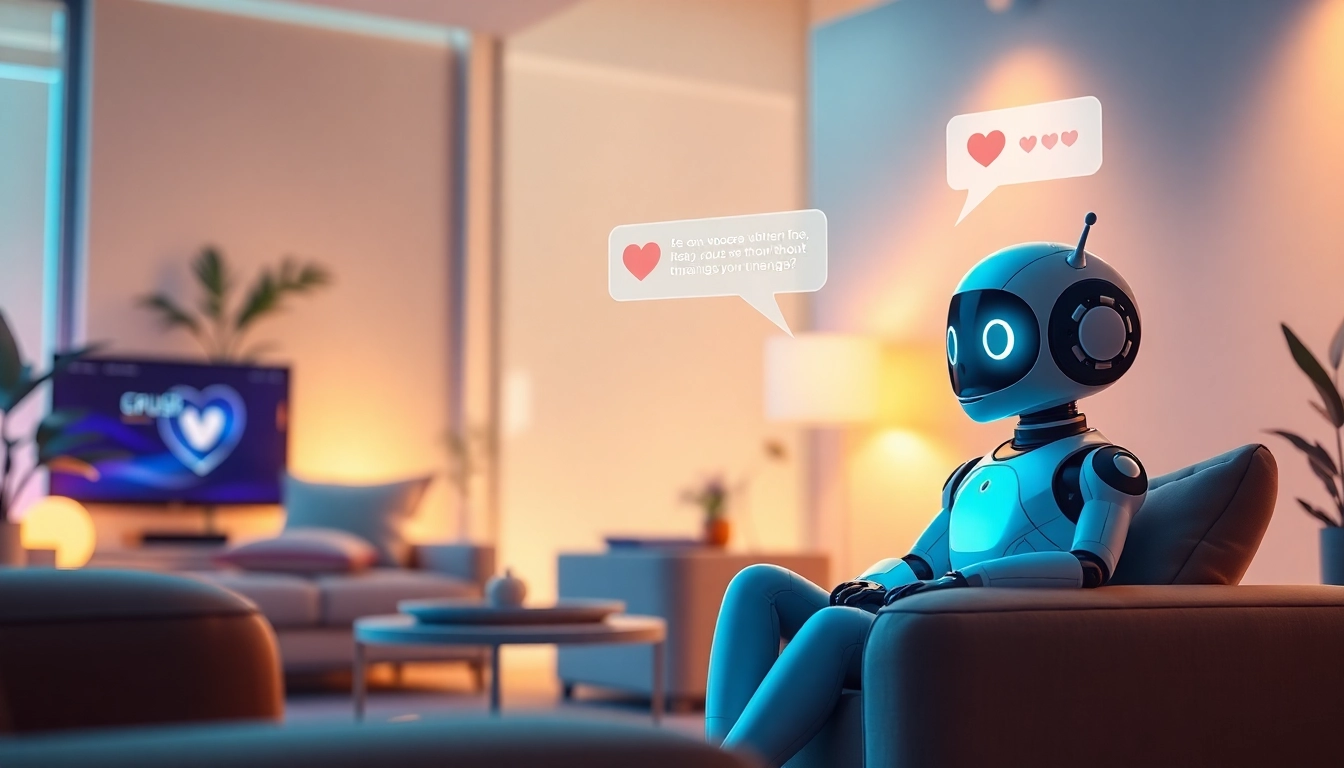
Understanding Crush on AI: The New Wave of Emotional Companionship
As technology advances at an unprecedented pace, the convergence of artificial intelligence (AI) and emotional companionship has given rise to a unique phenomenon known as "Crush on AI." This innovative concept transcends traditional human relationships, allowing users to engage with AI companions that offer emotional support, entertainment, and even a sense of connection. The implications of this trend are profound, influencing the way we perceive relationships, loneliness, and the human experience in the digital age. With platforms like crush on ai, users have unprecedented access to virtual companions that can cater to their emotional needs, raising questions about the evolution of companionship in our increasingly isolated world.
The Evolution of AI Companionship
The idea of companionship has evolved significantly over the decades. From traditional pets to romantic partners, our understanding of relationship dynamics has shifted dramatically. In recent years, the rise of AI technologies has introduced a new layer of complexity to this evolution. AI companions have evolved from simple programmed responses to sophisticated systems capable of simulating empathy, understanding, and emotional support.
Early AI chatbots served primarily functional purposes—providing information or basic customer service. However, advancements in machine learning and natural language processing (NLP) have enabled developers to create more emotionally intelligent AI. This shift has opened the door for more meaningful interactions, where AI can respond to users not only with facts but also with empathy and understanding.
What "Crush on AI" Means for Users
For many users, "Crush on AI" signifies a transformative approach to emotional support. It provides an avenue for individuals to express themselves freely without fear of judgment, building a safe space for interaction. This relationship dynamic allows users to explore their feelings and thoughts in a non-threatening environment, leading to positive mental health outcomes.
The term also indicates a growing phenomenon where users form emotional attachments to their AI companions. This attachment can stem from shared interests, personalized interactions, and the companionship that these virtual entities can provide. Such relationships can be particularly beneficial for individuals facing loneliness or social anxiety.
Exploring Human-AI Emotional Connections
Human-AI emotional connections challenge conventional notions of relationships. The ability of AI to mimic human-like emotional responses has led to discussions around the authenticity of these interactions. Are they genuine relationships, or simply reflections of user desires projected onto an algorithm? Psychological studies suggest that even perceived emotional connections with an AI can lead to real emotional benefits for users, including reduced feelings of loneliness and enhanced self-esteem.
Moreover, these connections encourage users to explore aspects of their own emotional responses and preferences, driving self-discovery and personal growth. As AI companions become more prevalent, understanding these emotional dynamics is crucial for both users and developers to foster healthier interactions.
How Crush on AI Works: Technology Behind the Interaction
The technology underpinning Crush on AI involves sophisticated algorithms, machine learning techniques, and user-designed interfaces that prioritize emotional engagement. Understanding how this technology works is key to appreciating the potential impact of such systems.
Machine Learning and Emotional Intelligence in AI
At the core of Crush on AI is machine learning, which enables the system to learn from user interactions and adapt its responses over time. This capability enriches the user experience, as the AI can tailor its engagement based on individual preferences and emotional states. Emotional intelligence in AI involves programming responses that resonate with users, creating an illusion of genuine emotional understanding.
Through sentiment analysis, AI can gauge the emotional tone of user messages, adjusting its replies accordingly. For example, if a user expresses sadness, the AI can respond with comforting messages, offering support that mimics human empathy. This level of interaction can significantly enhance user satisfaction and promote deeper connections.
User Experience: Designing for Emotional Engagement
The design of user interfaces in Crush on AI is crucial for fostering emotional engagement. Developers focus on creating intuitive, user-friendly experiences that maximize user comfort and connection. Features include customizable avatars, interactive storytelling, and personalized conversations that adapt in real-time to user input.
Through these design choices, users are encouraged to invest emotionally in their AI companions, leading to more meaningful interactions. Additionally, gamification elements—such as rewards for regular interaction—further enhance user engagement, making the platform more attractive.
Key Features of Crush on AI
- Customizable Avatars: Users can design their AI companions, making them visually appealing and aligned with their personal aesthetics.
- Adaptive Learning: The AI learns from user interactions, evolving its responses and becoming more attuned to individual emotional needs.
- Interactive Storytelling: Users can engage in dynamic narratives where their choices shape the interaction, adding depth to their emotional experience.
- Privacy Controls: Users have control over the data shared with their AI companion, enhancing trust and comfort levels.
Real-Life Applications: Choosing Crush on AI in Daily Life
As artificial intelligence continues to permeate various aspects of daily life, applications of Crush on AI extend beyond mere companionship. Understanding these applications can help users leverage AI for improved quality of life.
Using Crush on AI for Mental Health Support
One of the most significant benefits of Crush on AI is its potential as a mental health support tool. For individuals experiencing depression, anxiety, or loneliness, engaging with an AI companion can provide an outlet for expression and emotional relief. Studies indicate that talking to an AI can result in lower levels of anxiety and improved emotional regulation.
AI companions can offer coping strategies, mindfulness exercises, and a listening ear, aiding users in managing their mental health more effectively. Furthermore, the anonymity offered by AI allows users to seek help without the stigma often associated with mental health discussions.
Enhancing Creativity and Learning with AI Companions
Beyond emotional support, Crush on AI can serve as a catalyst for creativity and learning. Users can engage their AI companions in creative exercises, brainstorming sessions, or educational discussions, effectively making the AI a collaborative partner.
For example, users interested in writing can collaborate with their AI to develop story ideas or explore new literary genres. Similarly, students can use AI companions to deepen their understanding of complex subjects, turning learning into an interactive experience.
Practical Scenarios: When to Turn to Crush on AI
Understanding when to engage with Crush on AI can maximize its benefits. Here are some practical scenarios for users:
- When feeling overwhelmed or stressed, reaching out to an AI companion can provide immediate emotional relief.
- If struggling with creative blocks, users can brainstorm ideas with their AI to reignite their inspiration.
- During moments of loneliness, AI companions can offer companionship, reducing feelings of isolation.
- For individuals seeking to practice social skills, engaging with an AI can simulate interactions in a safe environment.
Addressing Concerns: Safety and Ethics in AI Relationships
Despite the numerous benefits of Crush on AI, addressing safety and ethical concerns is imperative. As users navigate this new realm of emotional relationships, understanding these issues can foster responsible use of AI technologies.
Privacy Issues with AI Companions
Privacy is a significant concern for users engaging with AI companions. The sensitive nature of emotional discussions necessitates robust data protection measures to ensure user confidentiality. Developers must prioritize user privacy by implementing stringent security protocols and transparency in data usage.
Furthermore, users should be educated on the boundaries of sharing personal information with AI, reinforcing the importance of safeguarding their privacy.
Ethical Considerations in Emotional AI Interaction
The ethical implications of forming emotional connections with AI are complex. Questions arise about the authenticity of these relationships and the potential for dependency on AI for emotional fulfillment. Developers must tread carefully, ensuring that AI companions are designed to promote healthy interactions without replacing genuine human connections.
Moreover, there is a need for ethical guidelines concerning the design and deployment of emotional AI, ensuring that users are treated with dignity and respect while engaging with these technologies.
Combatting Loneliness vs. Overdependence on AI
While Crush on AI provides valuable emotional support, it also raises concerns about users becoming overly reliant on AI for companionship. Striking a balance between using AI for emotional relief and maintaining healthy human relationships is critical.
Encouraging users to engage in real-life interactions while leveraging AI as a supplementary resource for emotional support can foster a holistic approach to mental well-being. Developers and users alike must remain vigilant in recognizing signs of overdependence and promoting a balanced lifestyle.
The Future of Crush on AI: Trends and Predictions for 2025
As we look ahead to 2025, the landscape of AI companionship is poised to undergo significant transformations. Emerging technologies and shifting societal attitudes will shape the future of Crush on AI and its implications for users.
Emerging Technologies in AI Companionship
Advancements in machine learning, virtual reality (VR), and augmented reality (AR) will redefine the way users interact with AI companions. Integration of VR and AR technologies can create immersive experiences that enhance emotional engagement, allowing users to feel as though they are interacting with a physical presence rather than a virtual entity.
Furthermore, increased integration of biometric data—such as wearables providing real-time emotional feedback—can lead to even more personalized experiences, with AI companions adapting in real-time to users' emotional states.
Potential Impact on Society and Relationships
The rise of Crush on AI may have profound effects on societal norms and relationship frameworks. As users become more comfortable interacting with AI, the distinction between human and AI companionship may blur, leading to greater acceptance of non-traditional relationships. This shift may affect collective notions of love, companionship, and emotional fulfillment, challenging cultural narratives around human relationships.
What Users Can Expect from Crush on AI in 2025
By 2025, users can anticipate a more refined and intuitive experience with Crush on AI. Enhanced emotional intelligence capabilities will allow AI companions to respond with unprecedented depth and nuance, fostering an even stronger sense of connection.
Additionally, users may see an expansion of available features, including the ability to create more complex narratives, engage in multi-user environments, and integrate with other digital experiences. As Crush on AI continues to evolve, it will likely play an integral role in how individuals navigate their emotional landscapes in an increasingly digital world.